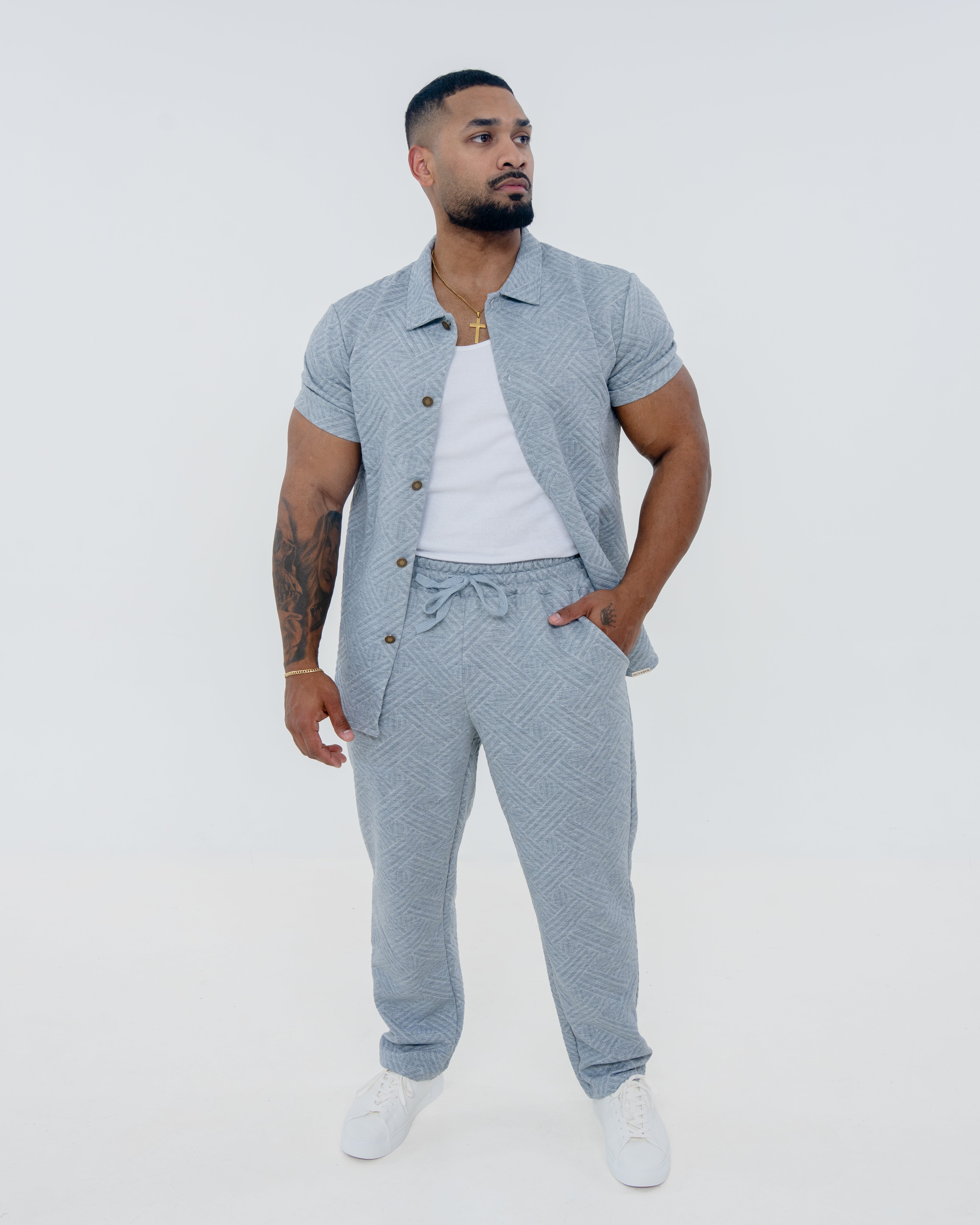

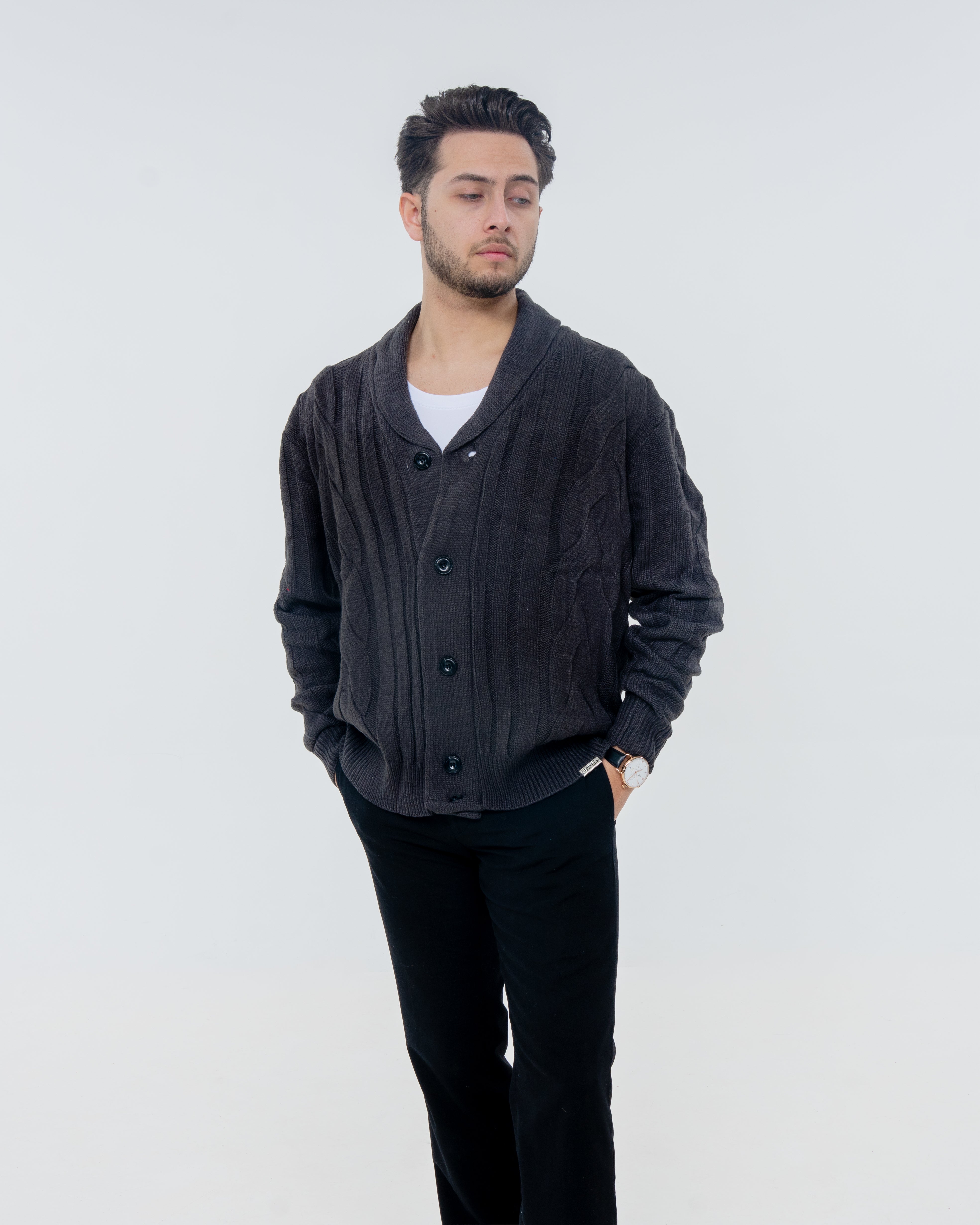


Quiet luxury is a useful name for an understated way of dressing: restrained colours, limited visible branding and attention to fit. You can borrow that approach at different budgets. A minimal appearance does not, by itself, prove that a garment is well made or uses an expensive fabric.
Start with the clothes you wear most
Choose one familiar outfit, such as a polo and trousers, and improve its proportions before buying anything else. Check where the shoulder sits, whether the collar lies neatly and how the trouser hem meets your shoes. A comfortable outfit in good condition is a more practical foundation than a collection of pieces labelled luxurious.

Use a small colour palette
Try two base colours—perhaps navy and cream—with one accent such as brown or muted blue. This is a starting point rather than a rule. Bring a garment or a photo of your existing wardrobe when shopping so you can judge whether a new shade really works with what you own.
Check quality through details you can inspect
- Composition: read the stated fibre percentages. A product name, texture or photograph is not a substitute for composition information.
- Construction: inspect visible seams, button attachments and how the collar and hem sit. Ask for a closer photograph when a detail matters to your decision.
- Fit: compare measurements with a similar garment and check movement while seated as well as standing.
- Care: choose an item whose actual care requirements fit your routine. Do not assume every neutral knit can be washed the same way.
Three outfits to build from
Everyday: a cream polo, dark trousers and clean sneakers. The Sienna Knit Polo - Cream is a current long-sleeved example; compare its measurements with a top you already wear.
Cooler day: a plain tee, straight trousers and the Fireside Cardigan in Brown. Let the cardigan provide the texture and keep other details simple.
Casual evening: a muted blue polo, light trousers and shoes appropriate to the venue. The Sienna Knit Polo - Dusty Blue offers a short-sleeved, open-collar option. A small bag can be useful, but it does not need to be leather to suit the outfit.
Buy for a specific gap
Before adding a piece, name three outfits you can make with it using clothes you already own. If you cannot, it may create more shopping rather than solve a wardrobe problem. Wear frequency and practical care matter more than an unsupported promise that a piece will last forever.
Use our ten-garment capsule guide to plan combinations, or read the texture comparison before choosing a statement knit.
Product examples link to current listings. Styling suggestions may include clothes and accessories sold separately.

